Special Session: Cochlear Implantation and NeurodevelopmentDifferences Between Children and Adults with Cochlear Implants: A Neurophysiologic Perspective Julie G Arenberg, Scott C Aker, Caylin McCallick, Kelly N Jahn, Mishaela DiNino The peripheral and central auditory system differ in children who are born with significant hearing loss and develop with the aid of cochlear implant(s) compared to children born with normal hearing. They also differ in several ways from adults who had normal hearing during development but then became deaf and obtained a cochlear implant as an adult. Congenitally deaf children and post-linguistically deaf adults have, by definition, different etiologies and hearing histories. Using a combination of behavioral and evoked potential measures, we have demonstrated that children appear to have a higher density of healthy spiral ganglion neurons. Stimulation with a focused electrical field through research software, enables us to assess a more localized population of neurons. When using focused stimulation, we observed that children have lower perceptual detection thresholds than adults. We have also obtained four metrics for neuronal density from the electrically evoked compound action potential (ECAP) measurement; 1) threshold, 2) peak amplitude, 3) amplitude growth function slope, 4) sensitivity to the interphase gap effect. We observed that children showed larger amplitudes, steeper slopes and greater sensitivity to interphase gap. The role that a higher density of auditory neurons plays in performance outcomes is unknown, however, we also see that children outperform adults on several spectral resolution tasks. These findings and the potential underlying contributing factors such as age, duration of cochlear implant experience, and others will be discussed. Studies of the electrode-neuron interface in children with cochlear implants, as well as psychophysical tuning curves, and vowel/consonant identification in both children with normal hearing and with cochlear implants will be presented. This work was supported by NIH NIDCD R01DC012142.
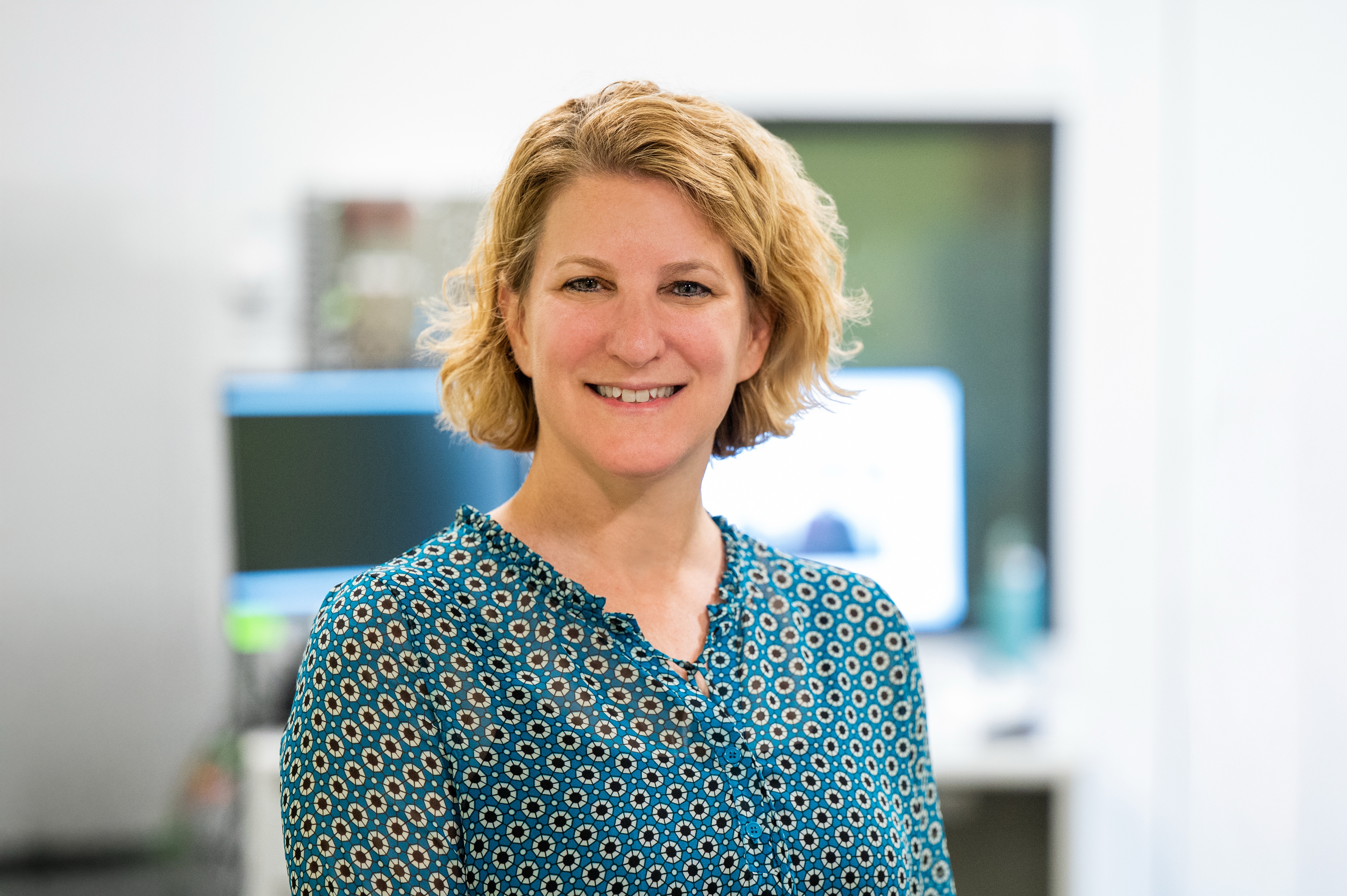
Dr. Arenberg serves as the Director of Audiology Research and Education at Mass Eye and Ear. Prior to joining Mass Eye and Ear in 2019, Dr. Arenberg served as Director of Audiology and Professor at the University of Washington, Department of Speech and Hearing Sciences. Dr. Arenberg trained as a neuroscientist and an audiologist. Her research efforts are focused on improving the quality of life for people with severe hearing loss, many of whom are treated with cochlear implants. Throughout Dr. Arenberg's career, she has used basic auditory neuroscience approaches to further understand the auditory system across the lifespan for individuals with normal hearing and those with cochlear implants. She has also developed new methods for optimizing hearing restoration with cochlear implants.
|